
Deciding whether your property needs 24-hour security is a strategic choice, not just an extra expense. In Austria, especially in cities like Vienna, Graz, and Linz, many property owners only react after a break-in, vandalism, or a serious disturbance. A better approach is to assess the risk early and put round-the-clock property security in place before something happens.
This guide helps you recognise warning signs, weigh the risk, and see how professional 24-hour security for properties, such as PSM Austria 24/7 property security, can protect your building, tenants, and business.
Why 24-Hour Security Matters for Properties
Most incidents happen after business hours. Empty corridors, dark courtyards, and closed offices attract the wrong kind of attention. Without visible 24-hour security, a property can quickly turn into an easy target for thieves, vandals, or trespassers.
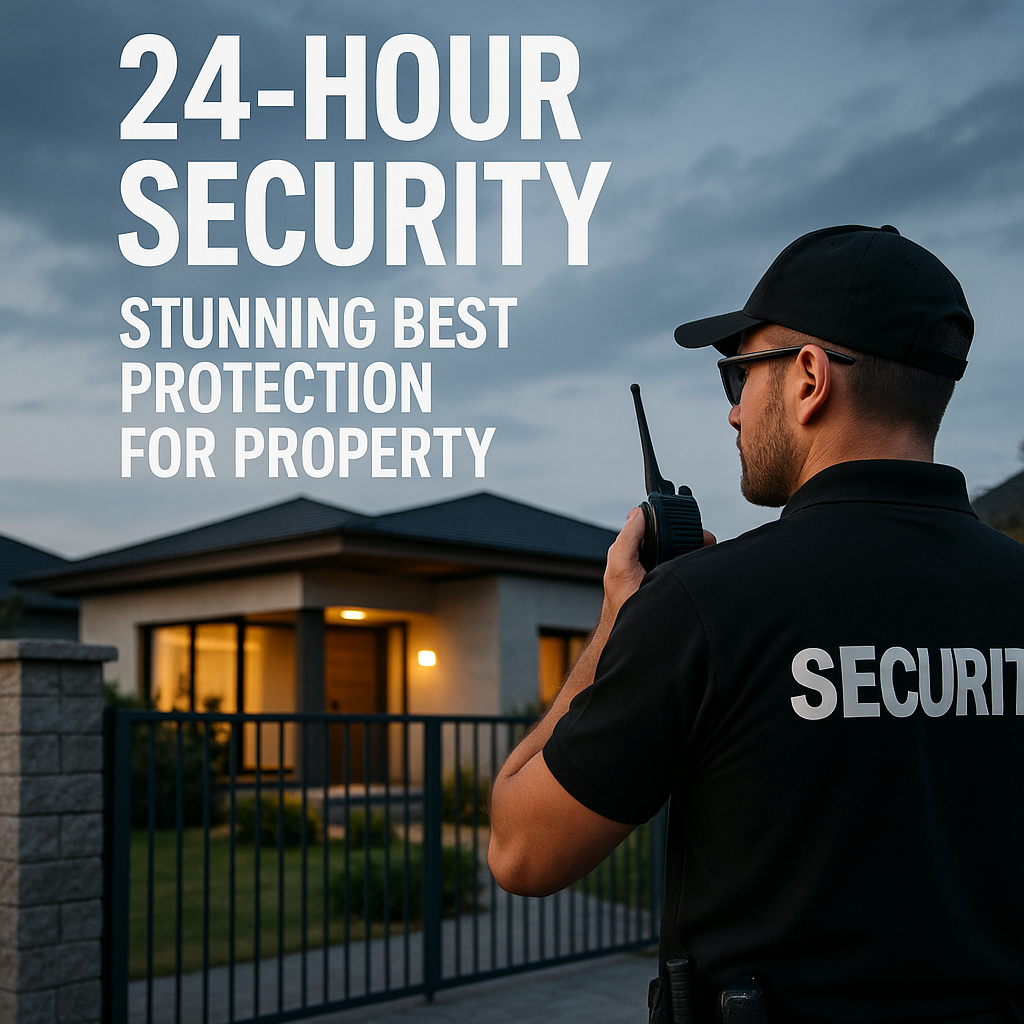
Round-the-clock property security in Vienna and across Austria gives you more than just “someone at the front door.” It creates a controlled environment: entrances stay monitored, suspicious activity is addressed straight away, and emergencies receive a fast and coordinated response.
Warning Signs Your Property Is at Risk at Night
Some risks are obvious; others build up over time. Paying attention to daily patterns in and around your building helps you decide if you need night security for your building before an incident escalates.
1. Increased Suspicious Activity After Hours
Loitering, people checking doors or letterboxes, or groups gathering in parking areas after dark are early signals. Tenants may mention that they feel uneasy entering or leaving the building at night. Cleaning staff or night-shift employees may report strangers inside stairwells or underground garages.
If this type of behaviour becomes frequent, it points to a lack of visible control and supervision. 24-hour security immediately changes that perception, because a trained guard is present, visible, and proactive.
2. Vandalism, Graffiti, and Damage in Common Areas
Repeated graffiti, broken lights, damaged mailboxes, or smashed entry doors suggest that your building is “unchecked” for long periods. Offenders learn quickly which properties are unguarded and return again and again.
Night-time patrols and permanent security guard services make it much harder for this pattern to continue. Damage is detected early, logged, and reported, and offenders meet resistance rather than an empty hallway.
3. Theft From Garages, Storage Rooms, or Construction Sites
Stolen bicycles from the Fahrradkeller, missing tools from a storage room, or disappearing building materials on a construction site are clear warnings. These areas are especially exposed at night and on weekends, when nobody is around.
If insurance claims for such incidents start to rise, you likely already have a security problem. 24-hour security cuts down access to these areas and tracks who enters and leaves the site, which helps reduce losses and support insurance requirements.
4. Complaints From Tenants or Neighbours
Regular complaints about noise, party guests, strangers at the entry door or aggressive behaviour in front of the building signal that residents feel unsafe. That is not just a comfort issue; it impacts vacancy rates, rental prices, and your reputation as an owner or manager.
Visible night security for your building is a strong answer to these concerns. Tenants see that someone is responsible for the building at all times, not only during office hours.
5. Police Call-Outs and Recorded Incidents
If the police have already been called to your address several times, the risk level is high. Repeated fights, intrusions, or break-ins indicate that the property is known as a weak point.
In such cases, 24-hour security for properties is less a luxury and more a necessity. A professional security provider coordinates with law enforcement, documents events, and steps in early before the next call-out is needed.
Key Decision Criteria: Do You Really Need 24-Hour Security?
Every property is different. A small suburban office does not face the same risks as a high-end residential building near Vienna’s Gürtel or a logistics hub on the city outskirts. To make an informed decision, assess a few clear criteria.
| Decision Area | Questions to Ask | What This Might Mean |
|---|---|---|
| Type of property | Is it residential, commercial, mixed-use, or industrial? | High-traffic or high-value sites usually need stronger protection. |
| Valuables on site | Are there goods, equipment, cash, or data worth stealing? | More valuables increase the need for 24-hour security. |
| Location | Is the property in a known hotspot or isolated area? | Remote or high-crime zones benefit from permanent guard presence. |
| Past incidents | Have theft, vandalism, or assaults already occurred? | Past cases raise risk and insurance interest in security measures. |
| Operating hours | Is the building active at night or empty for long periods? | Empty buildings at night present an easy target. |
Working through these criteria in a structured way brings clarity. If several areas point to elevated risk, 24-hour security or at least night-time coverage becomes a logical step, not an emotional reaction.
Type of Property: Who Uses Your Building?
Different property types attract different risks. A luxury residential property in Vienna’s inner districts needs protection around resident entrances, garages, and private zones. A logistics warehouse on the edge of the city needs access control for trucks, yard security, and protection for stored goods.
Mixed-use properties, such as ground-floor retail with apartments above, face both customer-related risks during the day and trespassing or vandalism after closing hours. For such buildings, round-the-clock property security in Vienna often pays off faster than expected, because a single solution covers both day and night risks.
Value and Attractiveness of Assets on Site
High-value assets are a magnet for thieves. Think of e-bikes and scooters in a garage, technical devices in offices, pharmaceuticals in a storage unit, or building materials on an active site in Lower Austria. These items are easy to resell and hard to trace.
If your property stores or displays such assets, ask yourself how quickly someone could access them without being noticed. If the answer is “within a few minutes,” 24-hour security is worth a serious look.
Location and Surrounding Area
Properties near busy nightlife areas, major transport hubs, or isolated industrial zones face distinct patterns of risk. A building close to bars and clubs may deal with alcohol-related disturbances at 2 am. A warehouse on the edge of town may face organised theft during quiet weekend nights.
Local knowledge matters. Security providers familiar with Austrian cities know which areas see frequent property offences and can advise whether your postcode suggests a heightened need for night security.
Incident History and Insurance Pressure
Past events are among the strongest indicators that 24-hour security for properties is needed. Insurance partners also watch these histories closely. If you have had break-ins, claims, or rising premiums, an upgrade to PSM Austria 24/7 property security can strengthen your position in negotiations.
Documented, professional security measures show that you treat risk reduction as a priority, which can help in case of future claims and may influence conditions or deductibles.
Advantages of Permanent Security Guard Services
Modern security is more than cameras and alarms. These tools help, but they do not speak to tenants, do not defuse conflicts, and do not step outside to check a suspicious vehicle. Permanent security guard services fill that gap.
Visible Deterrence and Presence
A uniformed guard at the entrance or on patrol is a clear signal: this property is under control. Opportunistic offenders usually move on to easier targets when they see active 24-hour security.
For residents and employees, this same visibility builds trust. People feel safer entering a well-lit entrance hall with a guard present, especially late in the evening or early in the morning.
Fast Response to Alarms and Incidents
An alarm without a response is just noise. If no one is on site, a triggered sensor often leads to a delayed call-out and, by the time someone arrives, the offenders are gone. A permanent guard reacts in real time, checks the source of the alarm, and takes the next steps.
That can mean blocking access, guiding people to safety, calling emergency services, or providing first aid. Speed is crucial in these moments, and 24-hour security gives you that speed.
Protection of People, Not Just Property
Security is also about people. Tenants coming home late, employees working night shifts, or cleaning crews on a quiet floor all benefit from having someone responsible on site. A guard can escort people to the car park, handle aggressive visitors, or intervene in conflicts before they escalate.
For property managers, this reduces complaints and improves the overall image of the building, which in turn supports tenant retention and rent levels.
Structured Documentation and Reporting
Professional permanent security guard services include logs, incident reports, and daily observations. Over time, these reports help identify patterns, such as repeated attempts at the same entry point or recurring issues with certain visitors.
With this data, property owners can adjust lighting, access controls, or patrol routes in a targeted way, instead of guessing where the problem is.
How PSM Austria 24/7 Property Security Works
PSM Austria offers 24-hour security for properties that adapts to your building’s real risk profile. The goal is simple: keep your site secure at all hours, without disrupting daily operations or residents’ privacy.
1. Risk Analysis and Security Concept
Every cooperation starts with an on-site risk analysis. Security specialists walk through the building, inspect entrances, garages, stairwells, roofs, and technical rooms, and review existing systems such as CCTV, access control, and alarm lines.
- Assessment of current risks and past incidents
- Definition of critical zones (for example garages, loading ramps, entrances)
- Development of a 24-hour security concept with clear guard tasks
This structured approach prevents unnecessary measures and focuses 24/7 security on areas where it has the highest impact.
2. On-Site Guards and Patrols
Depending on your needs, PSM Austria can position a guard at the main entrance, reception, or gate, and add mobile patrols across the premises. Patrols follow defined routes and schedules, but can also be adjusted dynamically if issues arise.
Typical tasks include checking entrances and windows, monitoring underground garages, inspecting outdoor areas, reviewing technical rooms, and confirming that alarms and cameras function as planned.
3. Access Control and Visitor Management
Access control is a core function of round-the-clock property security in Vienna and across Austria. Guards verify who enters and leaves, manage keys or badges, and ensure that only authorised persons reach sensitive zones.
- Verification of employees, tenants, and contractors
- Registration of visitors and service providers
- Control of deliveries and collection of goods
This reduces the risk of theft from insiders or unauthorised third parties and creates transparent records of who was on site and when.
4. Integration with Technical Security Systems
PSM Austria 24/7 property security integrates with existing alarms, CCTV systems, and remote monitoring. Guards respond to alarms, verify camera images, and coordinate with the control centre or external services.
The combination of human presence and smart technology provides strong coverage: cameras see more, guards interpret and act. This reduces false alarms and ensures that real threats receive direct attention.
5. Emergency Handling and Coordination
In an emergency, every second counts. Trained security staff know the building, know the escape routes, and understand how to react to fire alarms, medical incidents, or violent behaviour.
They coordinate with fire brigades, ambulance, and police, help guide people out of danger, and provide a clear, calm point of contact on site. After the event, they document what happened and support you with information for authorities and insurers.
Do You Need Night Security for Your Building? Quick Self-Check
If you are still unsure, use the following quick self-check as a guide. Answer honestly based on your property in Austria.
Ask yourself:
- Have I had more than one theft, break-in, or vandalism incident in the last 24 months?
- Do tenants, employees, or neighbours complain about feeling unsafe at night?
- Is my building empty or almost empty for long periods after business hours?
- Are there valuables on site that could be removed within minutes without anyone noticing?
- Is the property located in an area with known crime or frequent disturbances?
If you answered “yes” to two or more questions, your property security risks at night are already elevated. In such cases, 24-hour security is worth a detailed discussion, especially before the next incident occurs.
Strengthen Your Property Security Before the Next Incident
24-hour security is a strategic investment in safety, stability, and the value of your property. It protects assets and people, reduces insurance risks, and sends a clear signal that you take security seriously.
If you want to know whether PSM Austria 24/7 property security is the right solution for your building, request a free consultation. An expert can assess your site, explain concrete options for round-the-clock property security in Vienna or elsewhere in Austria, and help you choose the level of night security your property truly needs.